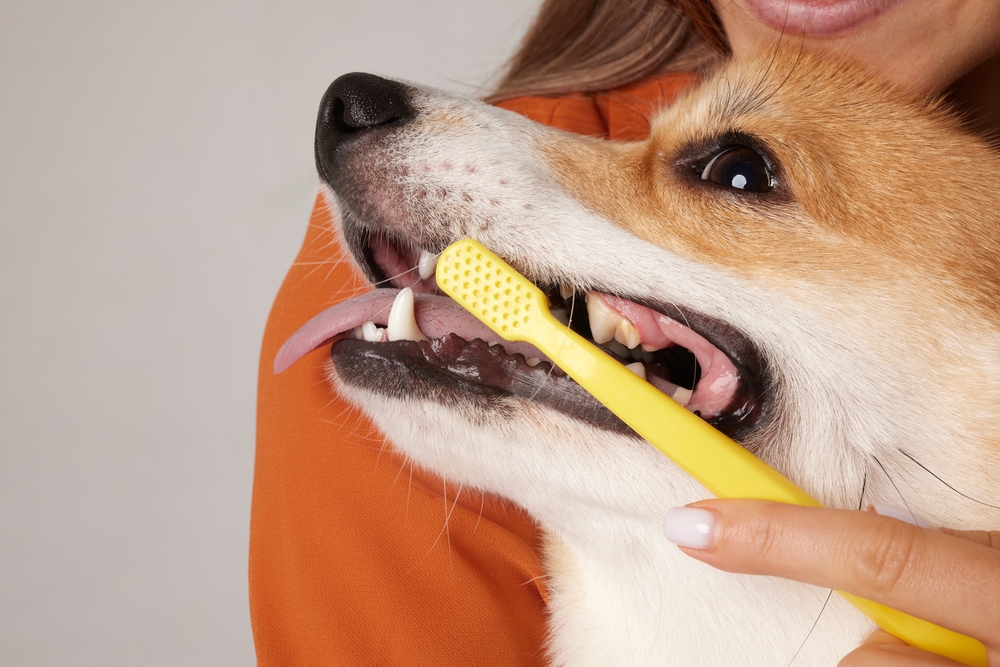
Your dog’s oral health affects not just their comfort, but their overall wellbeing. Tartar is one of the most common dental problems in dogs, and many pet owners wonder: can you remove dog tartar at home? Can brushing alone take care of it? Today, we’ll answer all those questions and take a deep dive into the causes and symptoms of dog tartar, as well as how to treat and prevent it effectively. With the right oral care routine, you can help your furry friend stay free of tartar — and enjoy fresh breath and a healthy mouth!
Why do dogs get tartar? 5 causes of tartar buildup in dogs
After your dog eats, food debris inevitably lingers in their mouth. When owners don’t clean it regularly, that debris becomes a breeding ground for bacteria. Over time, a film of plaque builds up on the tooth surface, which gradually hardens into stubborn tartar. Tartar not only causes bad breath — it can also lead to periodontal disease and affect your dog’s overall health. So what makes dogs prone to tartar buildup in the first place? Here are 5 common causes:
Cause 1: Genetics and breed characteristics
Small dogs naturally have limited space in their mouths, so their crowded teeth make it easy for food debris to get trapped in hard-to-clean nooks and crannies. Flat-faced brachycephalic breeds often have irregular tooth alignment, giving plaque even more opportunity to take hold. These innate traits make certain dogs far more susceptible to tartar buildup, which means their owners need to be especially diligent about oral care to keep their smiles healthy and bright!
Cause 2: Lack of regular cleaning
Food particles left behind after meals become the perfect environment for bacteria to thrive. Left unchecked, plaque forms and eventually hardens into stubborn tartar. Without regular oral cleaning, bad breath and periodontal disease are sure to follow. The good news is that brushing your dog’s teeth regularly can effectively keep plaque and tartar under control, helping your pup maintain fresh breath and healthy teeth.
Cause 3: A diet heavy in soft foods
Dogs who love wet food and canned meals, take note! Research suggests that a diet consisting mainly of soft foods can accelerate plaque buildup and worsen tartar problems over time. By contrast, incorporating some dry kibble or dental treats into the mix can help naturally clean your dog’s teeth during chewing, reducing plaque accumulation. For the sake of your dog’s oral health, aim for a balanced diet — and don’t forget to pay extra attention to oral hygiene so they can eat happily and smile brightly!
Cause 4: Not drinking enough water
When a dog doesn’t drink enough water, saliva production drops — and without adequate saliva to rinse away food debris, plaque and tartar have the perfect conditions to build up. To help your dog maintain healthy teeth, always keep a bowl of fresh, clean water accessible and encourage them to drink regularly. Staying hydrated is a simple but effective way to support oral health and keep tartar at bay!
Cause 5: Age
As dogs get older, their body functions gradually decline. Combined with years of accumulated tartar that hasn’t been properly cleaned, senior dogs are especially vulnerable to dental issues like tartar buildup and periodontal disease. That’s why oral care is even more important for older dogs — developing a habit of regular brushing and dental checkups will help keep their teeth healthy and sparkling at any age.
What happens if a dog has tartar? Symptoms to watch for
If your dog opens their mouth and you’re hit with an unpleasant odor, it’s time to pay attention! Bad breath is the most common symptom of tartar buildup in dogs — if there’s a noticeable smell when your dog yawns or gives you a lick, it could be a sign that plaque has accumulated too much. This is often accompanied by red, swollen, or inflamed gums, and you may even notice traces of blood in their saliva. The discomfort can make eating painful, leading to a reduced appetite, lethargy, and a general reluctance to play — all signs that tartar may be to blame.
In severe cases, dog tartar can lead to gum recession and loose teeth, putting your pet’s health at serious risk. Don’t ignore the warning signs — if you notice anything unusual, take your dog to the vet for a dental checkup as soon as possible. Delaying treatment will only allow the problem to worsen.
How to treat dog tartar — and can brushing actually remove it?
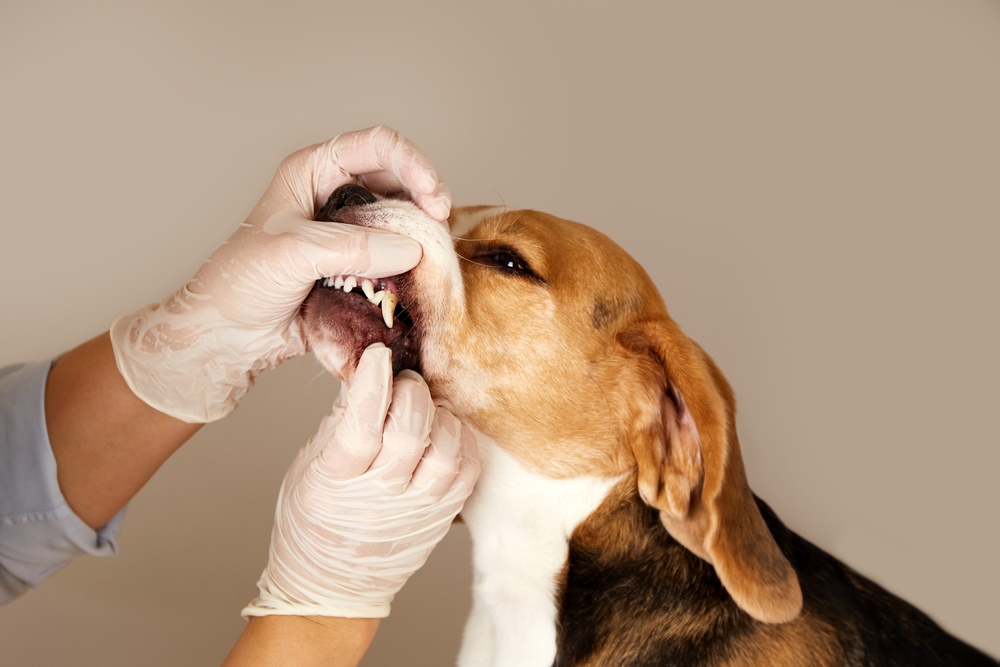
Many pet owners facing a tartar problem wonder: “Can I remove my dog’s tartar at home? Can brushing get rid of it?” The answer really depends on how severe the buildup is. For mild tartar, you can try using a pet toothbrush with dog-specific toothpaste, or a dedicated dental scraper to help remove the deposits — just make sure to be very gentle to avoid hurting your dog’s gums. If your dog shows strong resistance, stop immediately. Never force it, as this can cause stress and injury.
While removing tartar at home is possible for minor cases, if the buildup is significant and firmly adhered to the tooth surface, brushing alone won’t cut it. In that case, the best course of action is to take your dog to a vet for professional periodontal treatment — commonly known as a “dental cleaning” — to thoroughly remove the tartar and get your dog’s mouth back on track.
How to prevent tartar in dogs — daily oral care tips!
The best way to prevent tartar is to start building good brushing habits from puppyhood. Daily brushing is the cornerstone of good dental health — it effectively removes plaque and prevents tartar from forming before it becomes a problem. When brushing your dog’s teeth, use a soft-bristled brush and toothpaste formulated specifically for dogs. Never use human toothpaste, as it may contain xylitol, which is toxic to dogs! Brush gently, following the direction of the teeth and gumline, and make sure to thoroughly clean both the inner and outer surfaces of every tooth.
In addition to brushing, you can also offer appropriate dental chews or gnawing treats to help clean plaque off the tooth surface on a daily basis. Keep in mind, though, that these products are only a supplement — regular vet checkups and professional cleanings are still essential. This combination approach allows you to catch problems early and maintain your dog’s oral health long-term, helping them say goodbye to tartar for good!
Can you remove dog tartar at home? Common Q&A
Q1: Can I remove my dog’s tartar myself?
Strictly speaking, it is possible to remove dog tartar at home — but we generally don’t recommend it. Why? Because tartar is much harder to remove than plaque, and using the wrong technique can scratch your dog’s gums or make them develop an aversion to having their mouth touched. More importantly, tartar often forms near the tooth roots, where ordinary tools can’t reach effectively. If left to build up over time, this can eventually lead to periodontal disease.
The safest approach is to take your dog to a veterinary clinic for an examination and a professional dental cleaning to thoroughly remove the tartar. That way, your dog can enjoy a healthy, fresh mouth without the hassle!
Q2: How much does it cost to treat tartar in dogs?
Worried about the cost of a professional dental cleaning for your dog? There’s no fixed standard price — the cost typically varies based on the clinic’s equipment, the procedures involved, the type of anesthesia used, and your dog’s overall health condition. Prices generally range from a few thousand to over ten thousand NT dollars, and the exact amount will be assessed by the vet on the day.
Vets typically recommend a dental checkup every six months and a professional cleaning every one to two years to effectively prevent oral problems. If you’re concerned about costs, consult your vet in advance or look up the fee guidelines published by your local veterinary association so you can plan your budget and make sure your dog’s oral health doesn’t get overlooked.
Q3: Which dogs are most prone to tartar?
Some dogs are naturally at higher risk for tartar buildup, so owners of the following 3 types should pay extra attention to oral hygiene:
- Small dogs: Tiny, adorable breeds like Chihuahuas, Maltese, Yorkshire Terriers, Pomeranians, and Dachshunds have small mouths and crowded teeth with plenty of hard-to-reach spots, making tartar buildup much more likely over time.
- Brachycephalic dogs: Breeds like Bulldogs, French Bulldogs, Pugs, Shih Tzus, and Shar-Peis may have irresistibly cute flat faces, but their irregular tooth alignment makes cleaning twice as difficult — plaque can quickly turn into stubborn tartar if you’re not careful!
- Senior dogs: The older a dog gets, the longer tartar has had to accumulate. Without proper care, tartar is even more likely to form. Older dogs need regular oral checkups to prevent tartar from affecting their health.
If your furry friend falls into any of these categories, make sure to start building a good brushing routine early on and take them for regular vet checkups — so they can enjoy a healthy set of teeth and eat to their heart’s content!
Help your dog stay tartar-free — Fluv is here to support your pet’s oral health!
Worried that tartar might be affecting your dog’s oral health? Open the Fluv app now to easily find experienced, professional pet sitters who can help care for your dog’s daily needs while you’re busy — from scheduled feeding and exercise companionship to hydration reminders and even basic oral hygiene care. Give your dog the attentive, loving care they deserve!
Fluv is Taiwan’s largest pet sitter matching platform, with thousands of caring, experienced cat and dog sitters available for dog walking, in-home feeding, and personalized care — ready to share the responsibility of looking after your pet at any time. We also send out the Fluv newsletter with regular updates on pet health tips, real-life stories, and platform news, so you can keep expanding your knowledge of pet care. Subscribe to the Fluv newsletter today and let’s protect our pets’ health together — with love!
Further reading:
What to do when your dog vomits? Causes and prevention explained!
Fluv exclusive offers — limited-time deals for devoted pet owners
#Give your pet the best — and the best fit
If you’re looking for a more personalized, home-like care experience for your pet, why not try Fluv’s in-home pet sitter service?
🎁 New users: enter promo code
#UNEW95
Book now and enjoy a 5% discount!
👉 Ready to find the perfect professional pet sitter for your furry friend?
Views: 9444
 English
  Chinese