
Table of contents
Have you ever looked at your dog’s dull, dry coat or watched them scratch constantly and wondered if there’s a natural, safe way to help? The answer might already be sitting in your kitchen — flaxseed. These humble little seeds are actually packed with Omega-3, Omega-6, and Omega-9 fatty acids, along with quality protein and dietary fiber, making them a natural nutritional supplement recognized by many veterinarians. If you want to boost your dog’s diet without relying on artificial additives, flaxseed is well worth trying. In this article, we’ll walk you through the benefits of flaxseed for dogs, how to grind and store it correctly, the right serving sizes, and five simple, practical ways to feed it — so even the most kitchen-shy pet parent can get started with ease.
Beyond flaxseed, there are plenty of natural fruits and vegetables that are great for dogs too — rotating these into your pup’s diet can help them get a broader range of phytonutrients and vitamins.
Further reading: Can dogs eat fruits and vegetables? A complete guide to 11 healthy natural options for your pet
Why is flaxseed good for your dog’s health?
Flaxseed earns its “superfood seed” reputation by packing an impressive range of nutrients into a tiny package. First, flaxseed is one of the richest plant-based sources of Omega-3 fatty acids (primarily ALA, or alpha-linolenic acid), which help maintain your dog’s skin barrier, reduce dryness and flaking, and leave their coat softer and shinier. Second, the outer shell of flaxseed is rich in a natural compound called lignans, which research suggests have antioxidant and anti-inflammatory properties that can help support your dog’s immune system. Flaxseed also contains a good amount of dietary fiber, which in appropriate quantities promotes healthy gut motility and digestion. One important caveat: the ALA in flaxseed needs to be converted into EPA and DHA in the body to be fully utilized, and dogs aren’t particularly efficient at making this conversion. That means flaxseed works best as a dietary supplement rather than a complete replacement for animal-based Omega-3 sources like fish oil.
How to grind and store flaxseed properly
Flaxseed may be highly nutritious, but if fed whole, your dog’s digestive system is unlikely to break down the hard outer shell — meaning most of the nutrients will simply pass through unabsorbed. Grinding flaxseed into a fine powder is the key step for making those nutrients available to your dog. The easiest tool for this is a household coffee grinder, which can turn whole seeds into powder in just a few seconds. If you don’t have one, a blender, food processor, mortar and pestle, or even a clean pepper grinder will work too. Make sure to thoroughly clean whichever tool you use before and after, so no coffee residue or other flavors contaminate the flaxseed. Here’s a handy tip if you’re using a coffee grinder: grind a tablespoon of raw white rice first — the rice powder will absorb leftover coffee oils and grounds, and you can simply wipe it clean with a paper towel.
When it comes to storage, ground flaxseed oxidizes quickly once exposed to air and can turn rancid within one to two weeks. Grind only small amounts at a time and use them up promptly. Whether you’re storing whole seeds, ground flaxseed, or flaxseed oil, always keep them in an airtight container in the refrigerator to extend their shelf life. Pre-ground flaxseed sold in stores is convenient but oxidizes even faster once opened — always check the production date and storage instructions, and use it up as soon as possible after opening.
How much flaxseed should your dog eat each day?
Getting the amount right is just as important as choosing the right ingredient. Because flaxseed is high in dietary fiber, feeding too much at once can cause loose stools or diarrhea — something to be especially mindful of if your dog has a sensitive stomach. When starting out, begin with a very small amount and observe your dog for a few days before gradually increasing. This gives their digestive system time to adjust. Here are suggested starting amounts based on your dog’s size:
- Small dogs (under 10 kg): about 1/8 teaspoon of ground flaxseed per day
- Medium-sized dogs (10–25 kg): about 1/2 to 1 teaspoon of ground flaxseed per day
- Large dogs (over 25 kg): about 1½ teaspoons of ground flaxseed per day
These are general guidelines — actual serving sizes should be adjusted based on how your individual dog responds. If your dog has any health conditions, is on medication, or is pregnant or nursing, consult your vet before adding flaxseed to their diet. Once you’ve confirmed your dog is tolerating it well, you’re ready to try the five fun and easy feeding methods below.
If your dog already tends toward loose stools or digestive issues, it’s worth checking out low-allergen treat recipes designed for sensitive stomachs before making any dietary changes.
Further reading: Sensitive stomach? Try these gluten-free chickpea flour dog treats — a low-allergen recipe revealed
While you’re taking care of your dog’s nutrition, don’t forget they also need plenty of activity and companionship every day.
Five practical ways to add flaxseed to your dog’s diet
Method 1: Mix it into meals — the easiest boost
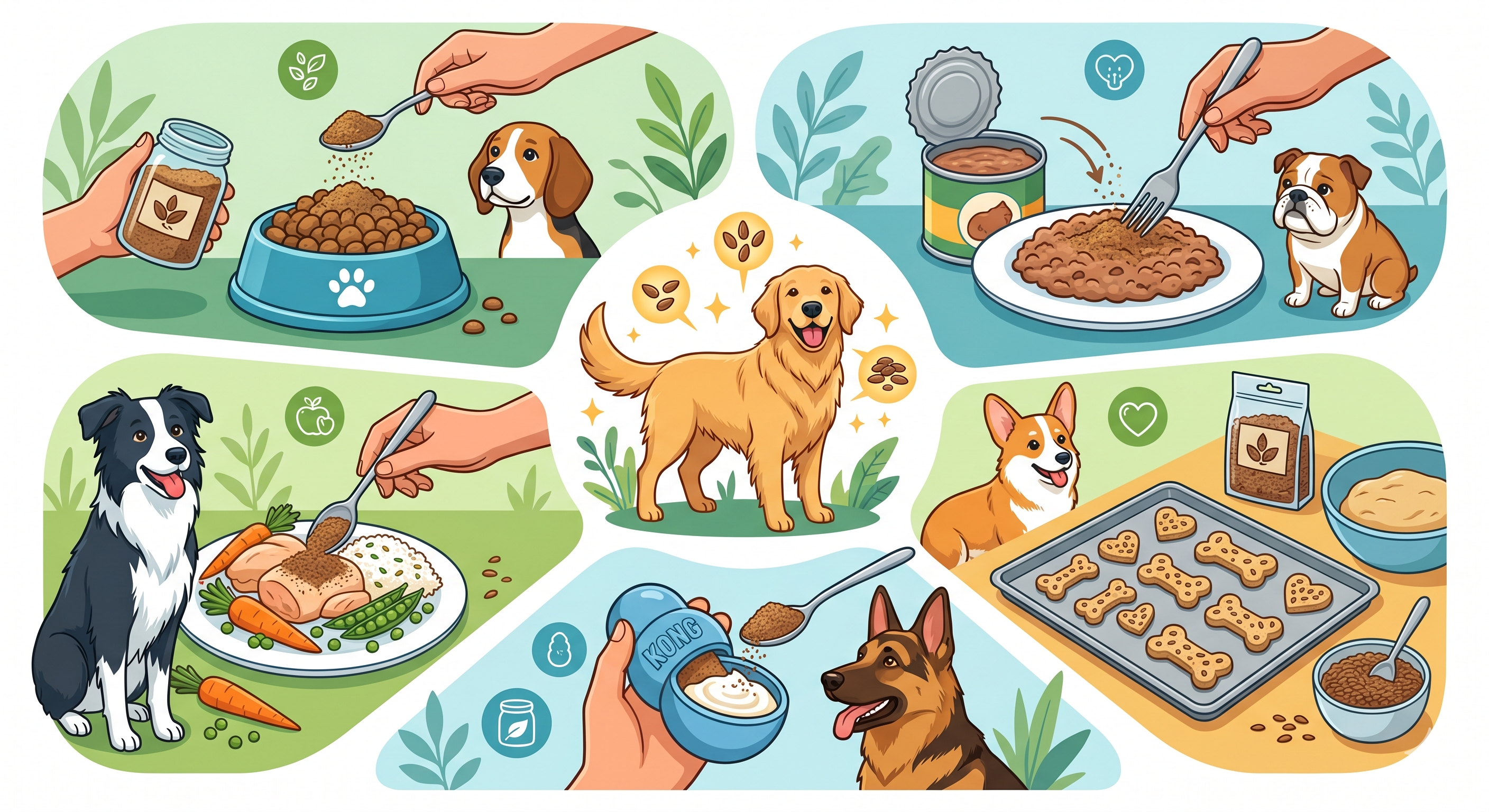
The simplest approach is to stir ground flaxseed directly into your dog’s regular food. Measure out the appropriate amount of flaxseed powder, mix it with a small spoonful of plain unsweetened yogurt, and drizzle it over your dog’s kibble or fresh food. Yogurt contains probiotics, and combined with flaxseed’s dietary fiber, this creates a double boost for your dog’s gut health. This method requires almost no extra prep time, making it easy to stick to even on the busiest days. If your dog isn’t a fan of yogurt, simply sprinkling the flaxseed powder over their food and mixing it in works just as well.
Method 2: Drizzle on flaxseed oil — a quick nutritional drizzle
If grinding feels like too much effort, you can simply buy cold-pressed flaxseed oil and add a few drops to your dog’s meal at serving time. The advantage of flaxseed oil is that the nutrients are already in an easily absorbed form, with no grinding needed. That said, flaxseed oil doesn’t contain the lignans or dietary fiber found in the whole seed, so its nutritional profile is slightly different from ground flaxseed. As with the powder, start with a small amount — about 1/4 teaspoon for small dogs, and 1/2 to 1 teaspoon for medium to large dogs. Once opened, always refrigerate flaxseed oil and use it within one to two months to prevent oxidation and off-flavors.
Method 3: Use flaxseed as an egg substitute for worry-free baking
When making homemade dog treats, you can use flaxseed in place of eggs. It’s simple: mix one tablespoon of ground flaxseed with two tablespoons of warm water and let it sit for about five minutes until it forms a gel-like consistency similar to beaten egg — this replaces one whole egg in any recipe. This works for dog treat recipes and human baking recipes alike. It’s especially handy for dogs with egg allergies. As a bonus, treats made with a flax egg instead of a regular egg tend to have a longer shelf life, so you can batch-make several days’ worth at once.
Method 4: No-bake peanut butter flaxseed balls — ready in 10 minutes
No oven? No problem. This no-bake treat needs just four ingredients and ten minutes to prepare. You’ll need 60 ml unsalted, unsweetened peanut butter, 90 ml rolled oats (about 1/4 cup plus 2 tablespoons), 2 tablespoons ground flaxseed, and 60 ml water. Grind the flaxseed into a powder, then combine it with the oats and peanut butter. Gradually add the water and mix until you get a dough that holds its shape. Divide into about 24 portions and roll into balls — if the dough sticks to your hands, lightly coat them with a little cooking oil. Place the balls in a sealed container lined with baking paper and refrigerate for at least 30 minutes before serving. Each ball contains roughly 1/2 teaspoon of ground flaxseed, making portion control easy. When choosing peanut butter, always check that it does not contain xylitol — this sweetener is highly toxic to dogs.
Method 5: Sweet potato flaxseed baked biscuits — beginner-friendly
If you’re open to a little simple baking, these sweet potato flaxseed biscuits are the perfect starting point — just three main ingredients. You’ll need 60 ml ground flaxseed, 310 ml oat flour (about 1¼ cups), one jar of sweet potato baby food purée (about 113 g), and a little water as needed. Preheat your oven to 175°C and line a baking tray with parchment paper. Use a food processor to grind the flaxseed into powder, then add the oats and blend into a flour. Add the sweet potato purée and mix well, adding a small splash of water if needed to make the dough easier to work with. Dust your work surface with a little oat flour to prevent sticking, roll out the dough, cut into shapes with a cookie cutter, and place on the prepared tray. Bake for about 20 minutes until golden. If you can’t find sweet potato baby food, simply steam and mash a fresh sweet potato — it works just as well.
What to keep in mind when adding flaxseed
Before adding flaxseed to your dog’s diet, here are a few important things to be aware of:
-
Introduce it gradually, starting small. Any sudden dietary change can upset your dog’s stomach. Start with a very small amount and observe how your dog adapts before slowly increasing the serving size.
-
Always feed ground flaxseed, not whole seeds. Whole flaxseeds have a hard shell that dogs can’t easily digest, so the nutrients pass through without being absorbed. Grinding is an essential step for effective nutrition.
-
Store it properly to prevent spoilage. Ground flaxseed oxidizes quickly — always seal and refrigerate it, and aim to use it within two weeks. If you notice any rancid smell, discard it immediately and do not feed it to your dog.
-
Use it as a supplement, not a meal replacement. Flaxseed is a nutritional add-on, not a medicine. It should never replace a balanced daily diet, and it is not a substitute for veterinary treatment or prescription care.
-
Consult your vet for dogs with special health needs. If your dog is currently undergoing treatment, has a chronic condition, or particularly has any blood clotting-related issues, check with your vet before adding flaxseed to their diet. High doses of Omega-3 fatty acids may affect your dog’s clotting mechanisms.
Conclusion
Flaxseed is an easy-to-find, affordable, and nutrient-dense natural ingredient. With the five methods covered in this article, you can start incorporating it into your dog’s daily diet right away — whether it’s as simple as stirring it into their food or taking a little extra time to make homemade treats. These small acts of care can make a real difference to your dog’s skin, coat, and overall wellbeing. Good nutrition is a cornerstone of pet care, and when work or travel keeps you away, the thoroughly vetted pet sitters on Fluv can step in to keep that same level of attentive care going — so you can head out with peace of mind and your dog can stay happy at home.
If you’re looking for a trusted pet care partner, come take a look at Fluv.
Frequently asked questions
Q: What is flaxseed and why is it suitable for dogs?
A: Flaxseed is a natural seed rich in plant-based Omega-3 fatty acids, dietary fiber, and lignans. It can help improve your dog’s skin and coat condition while supporting healthy digestion and immune function. Many veterinarians consider moderate amounts of flaxseed a safe and beneficial nutritional supplement.
Q: How should I grind flaxseed so my dog can absorb the nutrients?
A: Use a coffee grinder, food processor, or mortar and pestle to grind the seeds into a fine powder. Whole flaxseeds have a hard shell that dogs can’t digest well, so the nutrients pass straight through — grinding is the essential step for absorption. Grind small amounts at a time and store in an airtight container in the fridge.
Q: What’s the difference between flaxseed and fish oil? Which is better for dogs?
A: Flaxseed contains plant-based Omega-3 (ALA), while fish oil contains animal-based Omega-3 (EPA and DHA), which dogs absorb and utilize more efficiently. Both have their strengths — flaxseed also provides dietary fiber and lignans. Ideally, use both in combination based on your vet’s guidance, rather than relying entirely on one or the other.
Q: Can flaxseed cause diarrhea in dogs? What digestive reactions should I watch for?
A: Feeding too much at once can cause loose stools or diarrhea, since flaxseed is high in dietary fiber. The solution is to start with a very small amount and increase gradually over several days, giving your dog’s digestive system time to adapt. If symptoms persist, stop feeding flaxseed and consult your vet.
Q: Is the nutritional value of flaxseed oil the same as ground flaxseed?
A: They have different nutritional profiles. Flaxseed oil delivers a concentrated dose of omega fatty acids and is convenient and quickly absorbed. Ground flaxseed retains the lignans and dietary fiber from the outer shell, making it more nutritionally complete overall. You can choose whichever form works best for your dog’s needs and preferences.
Q: Which dogs shouldn’t eat flaxseed? What should I watch out for?
A: Dogs with blood clotting disorders, those on anticoagulant medications, pregnant or nursing dogs, and dogs with serious gastrointestinal conditions should all be cleared by a vet before being given flaxseed. Flaxseed allergies are rare but do exist, so monitor your dog closely after the first feeding.
Q: How much does it cost to make homemade flaxseed dog treats?
A: A bag of flaxseed at most supermarkets or health food stores costs roughly NT$80–150. Combined with common ingredients like oats, peanut butter, or sweet potato, the total cost of making a batch of treats usually comes in under NT$200 — yet yields dozens of healthy snacks, making it far more economical than store-bought pet treats.
Fluv special offers — limited-time deals for devoted pet owners
#Looking for the most caring in-home pet care experience for your furry friend?
🎁 New members — enter promo code
#UNEW95
Book now and enjoy 5% off your first service!
👉 Ready to find the perfect professional pet sitter for your dog?
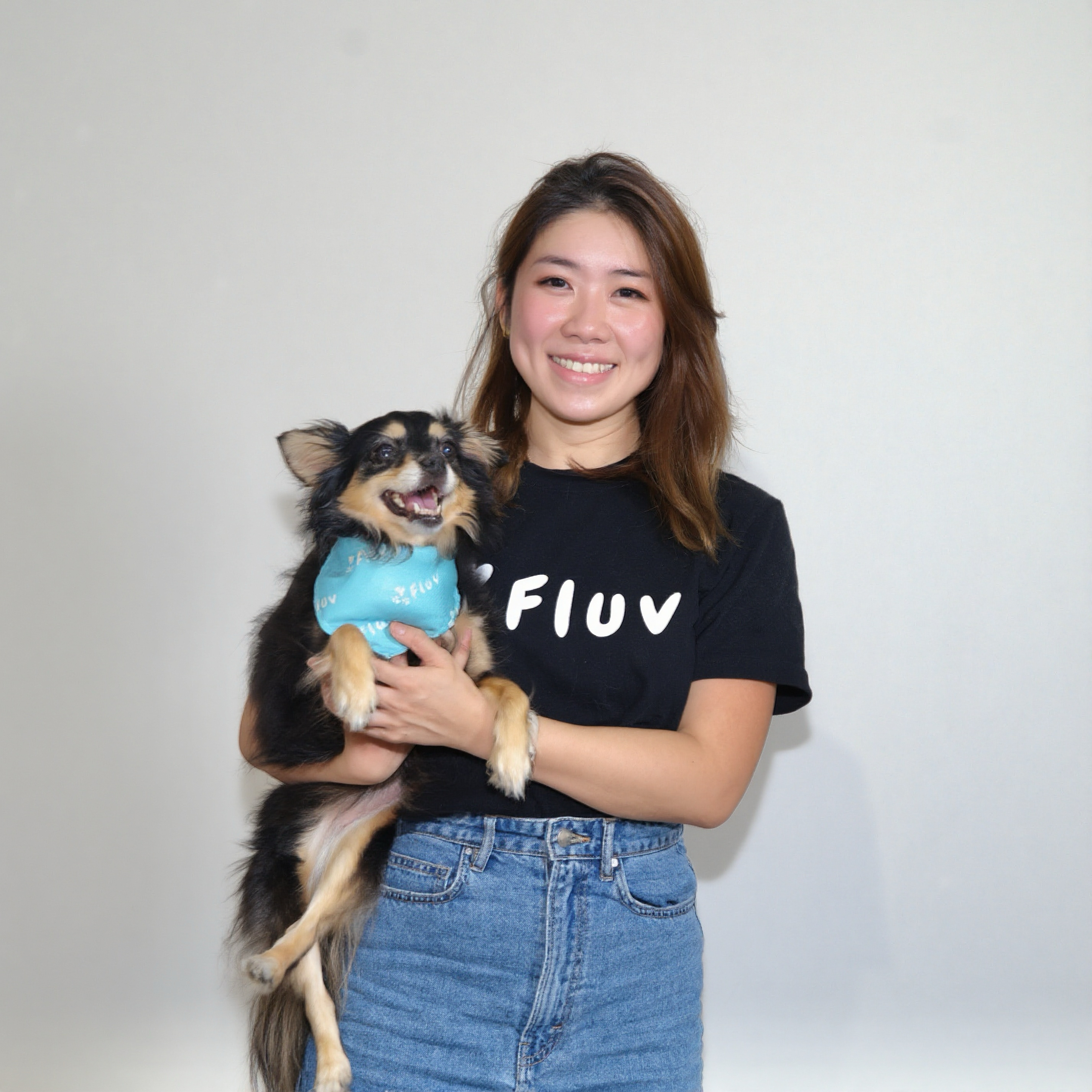
Fluv founder Candace Chen
Forbes 30 Under 30 Asia | 2024 Tatler Gen.T Leaders of Tomorrow
As the founder of Fluv, Candace has combined exceptional business vision and execution to build the platform into Taiwan’s largest and most trusted pet care service.
- World-class recognition: Named to the Forbes 30 Under 30 Asia list and selected as a 2024 Tatler Gen.T Leader of Tomorrow.
- Backed by heavyweight investors: Successfully secured investment from Twitch co-founder Kevin Lin and influential venture fund SIC.
- Market leader: Fluv now brings together over 7,000 verified professional sitters, earning the trust of 140,000 members.
Further reading:
Spoil your dog without breaking the bank — top dog treat picks and buying tips
Just two ingredients! Super easy homemade dog treats — a foolproof guide for beginners
Views: 1902
 English
  Chinese