Table of contents
- Why is chickpea flour good for dog treats?
- Where to buy chickpea flour
- How to make chickpea flour at home
- 3-ingredient grain-free dog biscuit recipe
- What to look out for when choosing peanut butter
- How to store homemade dog treats
- Other things to keep in mind when giving your dog treats
- FAQ
- Closing thoughts
If your dog has food allergies, picking the right treats can be a real headache. Store-bought options often come with long ingredient lists, and common ingredients like wheat, corn, and chicken can all be triggers for sensitive dogs. The good news? You only need three simple ingredients — chickpea flour, applesauce, and peanut butter — to make safe, tasty, low-allergen dog biscuits right at home. This article covers everything you need to know about chickpea flour’s nutritional benefits, along with a complete recipe and step-by-step instructions so you can whip up a healthy homemade snack for your pup. Whether you’re new to baking or a seasoned pro, you’ll be surprised by how easy this recipe really is.
Why is chickpea flour good for dog treats?
Chickpeas — also known as garbanzo beans — are a highly nutritious legume. When ground into flour, they make a perfect substitute for wheat flour in baking, allowing you to create grain-free, gluten-free dog treats. For dogs on a restricted diet who need to avoid common grain allergens, chickpea flour is an ideal alternative. It has a low allergenic profile and is gentle on digestion, making it much less likely to cause stomach upset.
Chickpea flour offers a range of health benefits for dogs. First, it’s rich in plant-based protein, which helps meet your dog’s daily protein needs — especially important for dogs with animal protein allergies. Second, its high dietary fiber content promotes a feeling of fullness, making it a great ingredient for dogs that need to manage their weight. Chickpeas also contain iron, folate, and various B vitamins, all of which support your dog’s overall health.
It’s worth noting that chickpea flour is naturally grain-free, since it comes from a legume rather than a cereal crop, making it ideal for grain-free dog treat recipes. If you already have a dog treat recipe that calls for regular flour, you can swap it out directly — use about three-quarters of a cup of chickpea flour for every one cup of regular flour, then adjust based on how the dough feels.
Where to buy chickpea flour
Chickpea flour is available through several channels. Large supermarkets often carry it in the baking or imported foods aisle, and some organic specialty stores stock it as well. If you can’t find it locally, major e-commerce platforms carry a wide range of brands — just search for “chickpea flour,” “besan,” or the Chinese term 鷹嘴豆粉. Indian grocery stores are another great option — since chickpea flour is a staple in Indian cooking, these shops usually sell it in larger bags at more affordable prices.

How to make chickpea flour at home
Making chickpea flour from scratch is simpler than you might think. You’ll need dried chickpeas (not canned, pre-cooked ones) and a food processor or high-speed blender. Just pour the dried chickpeas in and blend on high until you get a fine powder. That said, dried chickpeas are very hard, and a standard home food processor may not grind them finely enough in one go. We recommend blending first, then sifting through a fine-mesh sieve to remove any larger pieces, and running those through a coffee or spice grinder for a second pass. The result will be a much finer, more consistent flour that produces better-textured baked treats.
You put so much care into every meal you make for your pet — make sure they’re just as well looked after when you’re away:
3-ingredient grain-free dog biscuit recipe
Here’s the full recipe for these simple, healthy chickpea flour dog biscuits. Prep takes just 10 minutes, baking around 22 minutes — about half an hour total — and yields approximately 24 medium-sized biscuits.
Ingredients
- Chickpea flour: 1 cup (plus a little extra for dusting the surface)
- Unsweetened applesauce or pumpkin puree: ½ cup
- Peanut butter: 2 tablespoons (make sure it contains no xylitol — xylitol is fatally toxic to dogs)
- Optional: a sprinkle of rolled oats on top for a decorative touch
Instructions
- Preheat your oven to 175°C (350°F).
- In a large bowl, combine the chickpea flour, applesauce (or pumpkin puree), and peanut butter. Mix well until a dough forms.
- Dust your work surface with a little chickpea flour to prevent sticking, then roll the dough out to about 0.6 cm thick. If you’d like some extra texture, you can sprinkle rolled oats on the surface before rolling.
- Use your favorite cookie cutters to cut out shapes, then place the biscuits on a baking sheet lined with parchment paper.
- Bake for about 22 minutes, or until the edges are lightly golden.
- For crispier biscuits, leave them in the oven after turning it off to dry out with the residual heat — just keep an eye on them to avoid burning.
- Allow to cool completely before storing in an airtight container.
What to look out for when choosing peanut butter
This is the most important step to get right. When buying peanut butter, always read the ingredient label carefully and confirm that it does not contain xylitol. Xylitol is a common artificial sweetener that is harmless to humans but extremely dangerous for dogs — even a small amount can cause a rapid drop in blood sugar, liver failure, and even death. Look for a simple peanut butter with just peanuts and a little salt, or choose one labeled “natural peanut butter.” Avoid products with added sugar, artificial sweeteners, or heavy seasoning. Many organic food brands offer clean-ingredient peanut butters that are a safer choice.
Find the perfect care for your beloved pet so you can head out with complete peace of mind:
How to store homemade dog treats
One of the best things about homemade dog treats is that they contain no artificial preservatives — but that also means they won’t last as long as store-bought ones. Once the chickpea flour biscuits have cooled completely, store them in an airtight container or zip-lock bag in a cool, dry place. At room temperature, they’ll keep for about one to two weeks. If you’ve made a large batch, you can freeze some and thaw them as needed — frozen, they’ll stay good for about one to two months.
The key to extending shelf life is reducing moisture. Make sure the biscuits are fully baked and come out crispy rather than soft and chewy — this significantly helps them last longer. Using the oven’s residual heat to continue drying them out is a great technique. Also, make sure your hands are dry each time you reach into the container, as moisture is the enemy of freshness.

Other things to keep in mind when giving your dog treats
Whether homemade or store-bought, treats should only ever be a supplement to your dog’s main diet — never a replacement for a balanced, complete meal. Vets generally recommend that treats make up no more than 10% of your dog’s daily caloric intake. Even though these chickpea flour biscuits use wholesome, natural ingredients, overfeeding can still lead to digestive issues or nutritional imbalances. When introducing any new treat for the first time, start with a small amount and observe your dog for any adverse reactions over the next 24 to 48 hours before gradually increasing the portion.
If your dog has severe food allergies or is on a special therapeutic diet, it’s best to consult your vet before trying any new ingredient. Every dog is different, and even low-allergen ingredients can’t be guaranteed to be completely reaction-free for every individual. Knowing your dog’s specific allergens, choosing the right ingredients, and following proper preparation and storage practices are all key to keeping your pup happy, healthy, and well-fed.
Closing thoughts
Chickpea flour is a naturally grain-free, low-allergen ingredient packed with nutritional value. With just three simple ingredients and the steps outlined in this article, you can make a delicious homemade treat for your dog in about half an hour. Whether your goal is to avoid common allergens or simply to take control of what goes into your pet’s food, these small acts of care can make a real difference to their digestive health and overall wellbeing. Nutrition is a vital part of pet care — and when work or travel keeps you from being there in person, the thoroughly vetted pet sitters on Fluv can carry on that same thoughtful care, so you can leave home with confidence and your pet can feel right at home.
FAQ
Q: What is chickpea flour?
A: Chickpea flour is made by grinding dried chickpeas into a fine powder. It’s gluten-free and naturally grain-free, rich in plant-based protein and dietary fiber. It’s widely used in Indian and Middle Eastern cuisines, and has recently gained attention among pet owners for its low-allergen properties.
Q: How can I tell if a peanut butter contains xylitol?
A: The most reliable method is to carefully read the ingredient label on the back of the product and check for the words “xylitol” or “artificial sweetener.” For maximum safety, choose a natural peanut butter with only peanuts and salt listed, and avoid anything that mentions “sugar substitutes” or “artificial sweeteners.”
Q: How do chickpea flour dog biscuits differ from regular wheat biscuits?
A: The main differences are in allergen profile and nutritional content. Chickpea flour contains no gluten or grains, making it far less allergenic than wheat flour, while also providing higher levels of protein and fiber. For dogs with grain or gluten sensitivities, chickpea flour biscuits are a much safer alternative.
Q: What are common storage issues with homemade dog treats?
A: The most common problems are moisture absorption, mold, and spoilage. Since homemade treats contain no preservatives, they must be stored in airtight containers in a cool, dry place. If you notice any unusual smell, discoloration, or mold on the biscuits, discard them immediately — do not feed them to your dog.
Q: How much does this recipe cost to make?
A: It’s very budget-friendly. A bag of chickpea flour typically costs around NT$150–300, a jar of natural peanut butter around NT$100–200, and applesauce around NT$50–100. The total comes to under NT$600 and yields multiple batches, making the per-biscuit cost far lower than commercially available low-allergen treats.
Q: What can I use instead of applesauce?
A: Pumpkin puree is the most popular substitute — it’s similarly high in fiber and dogs tend to love it. Sweet potato puree or mashed banana are also viable options, though banana is higher in sugar so use it in moderation. Adjust the amount of chickpea flour as needed depending on how wet or dry your dough turns out.
Q: How do I know if my dog is allergic to chickpeas?
A: The first time you offer it, give only a small amount, then monitor your dog for 24 to 48 hours. If you notice vomiting, diarrhea, skin itching, red ears, or excessive licking, these may be signs of an allergic reaction. Stop feeding immediately and consult your vet for professional allergen testing.
Fluv exclusive deals — limited-time offers for devoted pet owners
#Want the most caring in-home care experience for your pet?
🎁 New users: enter promo code
#UNEW95
Book now and enjoy 5% off!
👉 Looking for a caring, professional pet sitter for your furry family member?
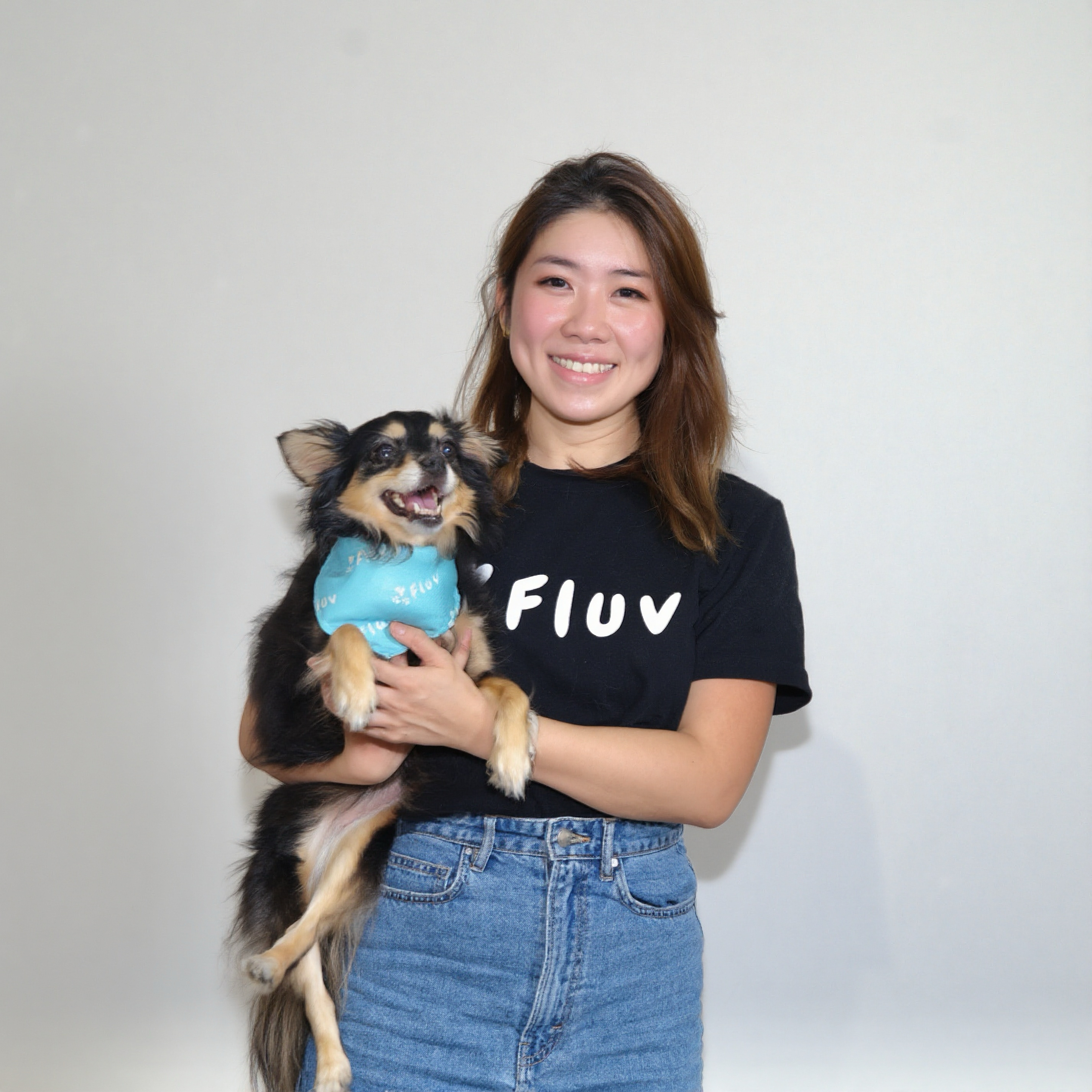
Fluv founder Candace Chen
Forbes 30 Under 30 Asia | 2024 Tatler Gen.T Leaders of Tomorrow
As the founder of Fluv, Candace has used her exceptional business vision and drive to build the platform into the largest and most trusted pet care service in Taiwan.
- World-class recognition: Named to the Forbes 30 Under 30 Asia list and selected as a 2024 Tatler Gen.T Leader of Tomorrow.
- Backed by top investors: Successfully secured investment from Twitch co-founder Kevin Lin and leading venture firm SIC.
- Market leader: Has grown Fluv to a community of over 7,000 vetted professional sitters, trusted by 140,000 members.
Further reading:
Spoil your pup without breaking the bank — dog treat recommendations and buying tips
Homemade cat treats made easy — 5 healthy recipes your cat will love
Can dogs eat fruits and vegetables? A complete guide to 11 healthy options for your pup
Views: 1355
 English
  Chinese