
Table of contents
Have you ever wanted to bake homemade treats for your furry friend, but put it off because it seemed too complicated or the ingredients too hard to find? The truth is, making homemade dog treats is much easier than you might think. This “2-ingredient dog biscuit” recipe only requires a jar of baby food puree and a cup of flour — no special tools or baking skills needed. From start to finish, you can have a fresh batch ready in just over 30 minutes. Whether you’re a total baking novice or a busy working pet owner, this is completely doable. Best of all, homemade treats contain no unnecessary additives or preservatives — every bite is a little act of love for your pet. Let’s get started!
Why use baby food to make dog treats?
Using baby food puree to make dog biscuits might sound surprising at first, but it’s actually a really smart approach. Store-bought baby food purees tend to have very simple ingredient lists — usually just natural pureed fruits, vegetables, or meat — with no added salt, sugar, or artificial ingredients, making them safe and easy to digest for dogs. The smooth, even texture of baby food puree also blends easily with flour to form a soft, workable dough, saving you the hassle of pureeing and straining ingredients yourself. What’s more, baby food comes in a wide variety of flavors — pumpkin, sweet potato, apple, chicken, and more — so you can easily switch things up and keep your dog excited about treat time. One small jar of baby food plus some flour from your pantry is all it takes to bake a whole batch of healthy, homemade biscuits — great value for the effort.
What ingredients and tools do you need?
The beauty of this recipe is its simplicity. You only need two core ingredients, plus basic kitchen tools you likely already have. Here’s everything you’ll need:
Core ingredients:
- 1 jar of baby food puree (approx. 110–120 g, any dog-safe flavor)
- 1 cup of flour (all-purpose, whole wheat, oat flour, chickpea flour, coconut flour, or brown rice flour all work)
Basic tools:
- A large mixing bowl
- A rolling pin (or a clean wine bottle or plastic wrap tube if you don’t have one)
- Cookie cutters or a pizza cutter / butter knife for shaping
- A baking tray lined with parchment paper
- An oven
If you don’t have baby food on hand, no worries — you can substitute with about half a cup (slightly more) of homemade pumpkin puree, sweet potato puree, or unsweetened applesauce. Any dog-safe fruit or vegetable puree will work.

Step-by-step: how to make these dog biscuits
The process is very intuitive — even if you’ve never baked anything before, you’ll be fine. Here are the detailed steps:
- Preheat the oven: Set your oven to 175°C (350°F).
- Mix the ingredients: Pour one cup of flour into a large bowl, add the entire jar of baby food puree, and stir thoroughly with a spoon or chopsticks until well combined.
- Adjust the dough: If the dough feels too sticky, add a little more flour and knead until it no longer sticks to your hands and has a smooth texture.
- Roll it out: On a lightly floured surface, roll the dough out to about 0.3–0.5 cm thick.
- Cut into shapes: Use cookie cutters to press out fun shapes, or simply cut the dough into small squares with a knife. Adjust the size based on your dog’s breed — larger pieces for big dogs, smaller ones for little dogs.
- Arrange on the tray: Place the cut-out biscuits on a parchment-lined baking tray, leaving a little space between each one.
- Bake: Bake for about 24 minutes, or until the biscuits are cooked through and the bottoms are just starting to turn golden.
- Extra crispiness tip: If you prefer crunchier biscuits, don’t open the oven right away when the timer goes off. Turn the oven off and let the biscuits cool inside — the residual heat draws out any remaining moisture, giving you crispier treats that also last longer.
From prep to out of the oven, the whole process takes under 40 minutes — about 10 minutes to prepare and 24 minutes to bake. One batch makes nearly 100 small biscuits, which is just the right amount to use up before they go stale.
Want peace of mind for your pet when you’re away? Find a trusted pet sitter:
Which flavors do dogs love most?
Baby food comes in a great range of flavors. Based on feedback from many pet owners, here are some that dogs tend to go crazy for:
- Pumpkin: High in fiber and great for digestion — a classic favorite
- Sweet potato: Dogs love the natural sweetness, and it’s packed with nutrients
- Apple: A light, fruity aroma gives the biscuits a subtle sweet-tart flavor
- Banana: The creamy texture makes for especially soft biscuits
- Carrot: Rich in beta-carotene and bakes to a beautiful color
- Chicken: A top pick for meat-loving dogs, with a high protein content
- Pea: A mild, gentle flavor — great for dogs with sensitive stomachs
- Mixed berry: Natural anthocyanins give the biscuits a pretty purple-pink hue
You can also experiment by pairing different baby food flavors with different types of flour for unique combinations. Pumpkin puree with oat flour bakes up a warm golden color; berry puree with all-purpose flour gives you a dreamy pink tone. That freedom to mix and match is one of the most fun parts of making treats at home.
How do you choose the right flour?
Your choice of flour directly affects the texture and nutritional value of the biscuits. Different flours have their own strengths and trade-offs — here’s a breakdown to help you pick based on your dog’s health and dietary needs:
Gluten-containing flours:
- All-purpose flour: Easiest to find, easiest to work with — great for beginners
- Whole wheat flour: More fiber and nutrients than all-purpose flour, with a heartier texture
Gluten-free flours (for dogs with gluten sensitivities):
- Oat flour: Easy to make at home — just blend rolled oats in a food processor. Mild flavor and nutritious
- Chickpea flour: High in protein with a subtle nutty aroma
- Coconut flour: Very absorbent — you may need to use slightly less than the recipe calls for
- Brown rice flour: Fine texture that produces light, delicate biscuits
You can also blend two or more flours together — for example, half oat flour and half brown rice flour — for a balance of texture and nutrition. If your dog has known food allergies or intolerances, it’s a good idea to check with your vet before choosing a flour, so you can be sure every treat is safe.
How should you store homemade dog treats?
The biggest perk of homemade treats is their clean, natural ingredients — but that also means they won’t last as long as store-bought ones. Proper storage will help keep your biscuits fresh and tasty for as long as possible. Once baked, let the biscuits cool completely before transferring them to an airtight container or resealable bag. At room temperature, they’re best enjoyed within one to two weeks. If you’ve made a large batch, portion some into freezer-safe bags and freeze them — they’ll keep for about two to three months. Just thaw at room temperature before serving. One tip for extending shelf life: bake the biscuits until they’re thoroughly dry. The lower the moisture content, the less likely they are to mold. That’s exactly why the “leave them in the oven after turning it off” trick works so well. Also, always use dry hands or clean tongs when reaching into the container — bringing any moisture in can shorten the treats’ freshness. These small habits make a real difference.
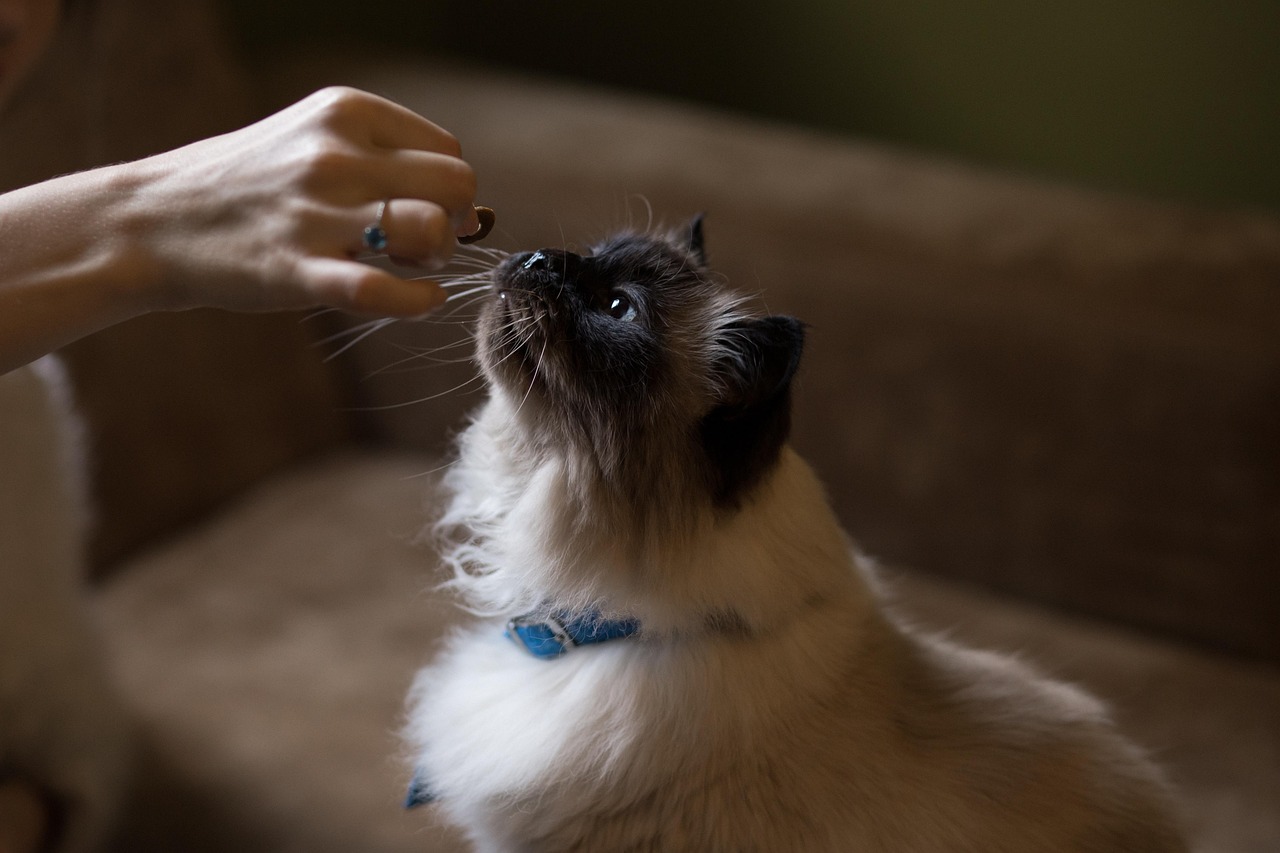
Showing your pet love isn’t just about homemade treats — daily companionship matters just as much!
What to keep in mind when giving treats
Even with wholesome homemade treats, there are some important guidelines to follow. First, treats are still treats — they can’t replace a nutritionally balanced main meal. Vets generally recommend that treats make up no more than 10% of your dog’s daily caloric intake, with the remaining 90% coming from complete, balanced dog food. Second, when trying a new flavor for the first time, start with a small amount and watch for any signs of digestive upset or allergic reaction before giving the full portion. Also, be aware that some human foods are toxic to dogs — grapes, onions, garlic, and xylitol are common examples. Always read the ingredient label on baby food carefully to make sure nothing harmful is included. Finally, adjust treat size to suit your dog’s size — small dogs only need small pieces, and you can always break larger biscuits into smaller bits to avoid overloading their digestive system.
Final thoughts
Homemade dog treats really aren’t hard to make, and this 2-ingredient baby food dog biscuit recipe is proof. Under 40 minutes from start to finish, clean ingredients, endless flavor options, and a very low barrier to entry — whether you’re an experienced baker or a total beginner in the kitchen, you can pull this off. Next time you have a free weekend, bake your pet a batch of treats made with love. Watching them wag their tail with joy makes every minute worthwhile. And when work or travel keeps you from being by their side, Fluv — Taiwan’s largest pet sitter matching platform — offers in-home visits, accompanied walks, overnight boarding, and more. Every sitter passes a rigorous vetting process, sends real-time photo updates during each visit, and is backed by platform insurance — so you can head out with complete peace of mind.
Give your pet the best care every day — starting with one homemade biscuit and one great sitter:

FAQs
Q: What are baby food dog biscuits?
A: Baby food dog biscuits are homemade dog treats made by combining store-bought baby food puree with flour. Because baby food puree uses simple, natural ingredients with no artificial additives or heavy seasoning, it’s an ideal base for dog treats. The process is quick and straightforward — just mix, roll out, cut, and bake.
Q: How do I know which baby food flavors are safe for dogs?
A: Always read the ingredient label carefully and make sure the product doesn’t contain anything toxic to dogs, such as onion, garlic, grapes, or xylitol. Single-ingredient purees — like pumpkin, sweet potato, apple, or chicken — are generally the safest bet. If you’re considering a mixed-flavor product, check every single ingredient to confirm it’s dog-safe.
Q: What’s the difference between homemade dog biscuits and store-bought dog treats?
A: The biggest advantage of homemade biscuits is full ingredient transparency — you control exactly what goes in, with no preservatives or artificial additives. Store-bought treats are more convenient and have a longer shelf life, but may contain more processed ingredients. Homemade treats don’t last as long — best within one to two weeks at room temperature, or up to two to three months in the freezer.
Q: What if my dog is sensitive to gluten?
A: If your dog has a gluten intolerance, simply swap in a gluten-free flour — oat flour, chickpea flour, coconut flour, and brown rice flour are all great options. Oat flour is the easiest to make yourself: just blend rolled oats in a food processor. Keep in mind that different gluten-free flours absorb moisture differently, so you may need to tweak the amount slightly when kneading the dough.
Q: How many biscuits does one batch make?
A: Using one jar of baby food puree and one cup of flour with a small cookie cutter, you can expect to get close to 100 small biscuits. The actual number depends on how thick you roll the dough and the size of your cutters. Make larger pieces for bigger dogs and smaller pieces for small dogs to make chewing and digestion easier.
Q: My first batch didn’t turn out right — what are the most common mistakes?
A: The most common issues are dough that’s too sticky or too dry. If it’s too sticky, add flour gradually and keep kneading until it’s no longer tacky. If it’s crumbling and too dry, add a tiny splash of water or a bit more puree to bring it together. Another common problem is biscuits that don’t crisp up — this usually means the dough was rolled too thick or the baking time was too short. Aim for a thickness of 0.3–0.5 cm and bake until the bottoms are lightly golden.
Q: How many treats can you give your dog each day?
A: Treats should make up no more than 10% of your dog’s total daily calorie intake. The right amount depends on your dog’s size, weight, and activity level — two to three small biscuits a day is usually fine for small dogs, while larger dogs can have a bit more. If you’re unsure about the right portion, ask your vet for personalized guidance based on your dog’s individual needs.
Fluv special offers | Limited-time deals for devoted pet owners
#Want the most caring in-home visit experience for your pet?
🎁 New users — enter promo code
#UNEW95
Book now and enjoy 5% off your first service!
👉 Ready to find the perfect professional pet sitter for your furry friend?
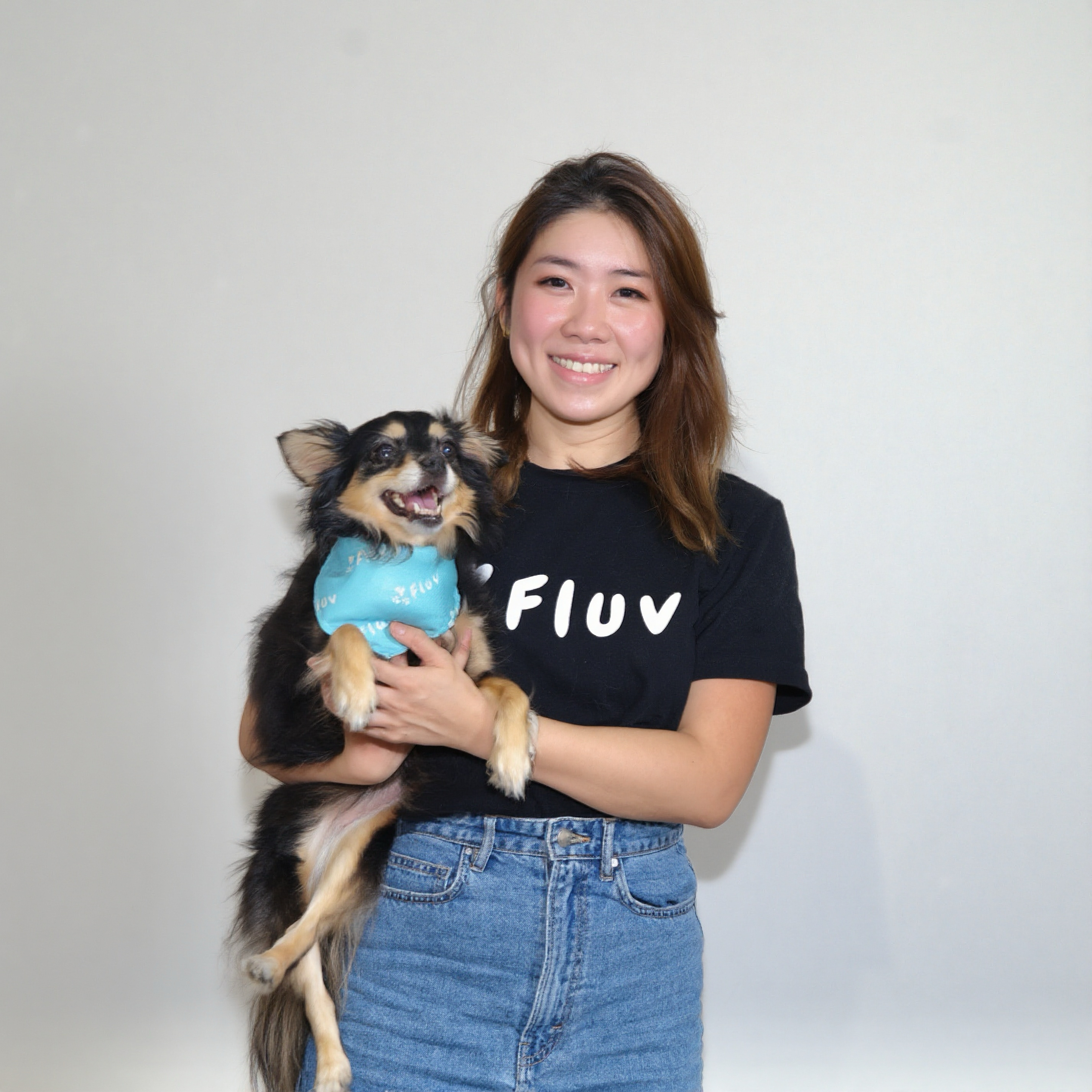
Fluv founder Candace Chen
Forbes 30 Under 30 Asia | 2024 Tatler Gen.T Leaders of Tomorrow
As the founder of Fluv, Candace has combined exceptional business vision with hands-on execution to build the largest and most trusted pet care platform in Taiwan.
- World-class recognition: Named to the Forbes 30 Under 30 Asia list and selected as a 2024 Tatler Gen.T Leader of Tomorrow.
- Backed by heavyweight investors: Successfully secured investment from Twitch co-founder Kevin Lin and influential venture firm SIC.
- Market leader: Has grown Fluv to a community of over 7,000 vetted professional sitters, trusted by 140,000 members.
Further reading:
Spoil your dog without breaking the bank — top dog treat picks and buying tips
Homemade cat treats made easy — 5 healthy recipes your pet will love
Can dogs eat fruits and vegetables? A complete guide to 11 healthy options for your pet
Views: 2014
 English
  Chinese